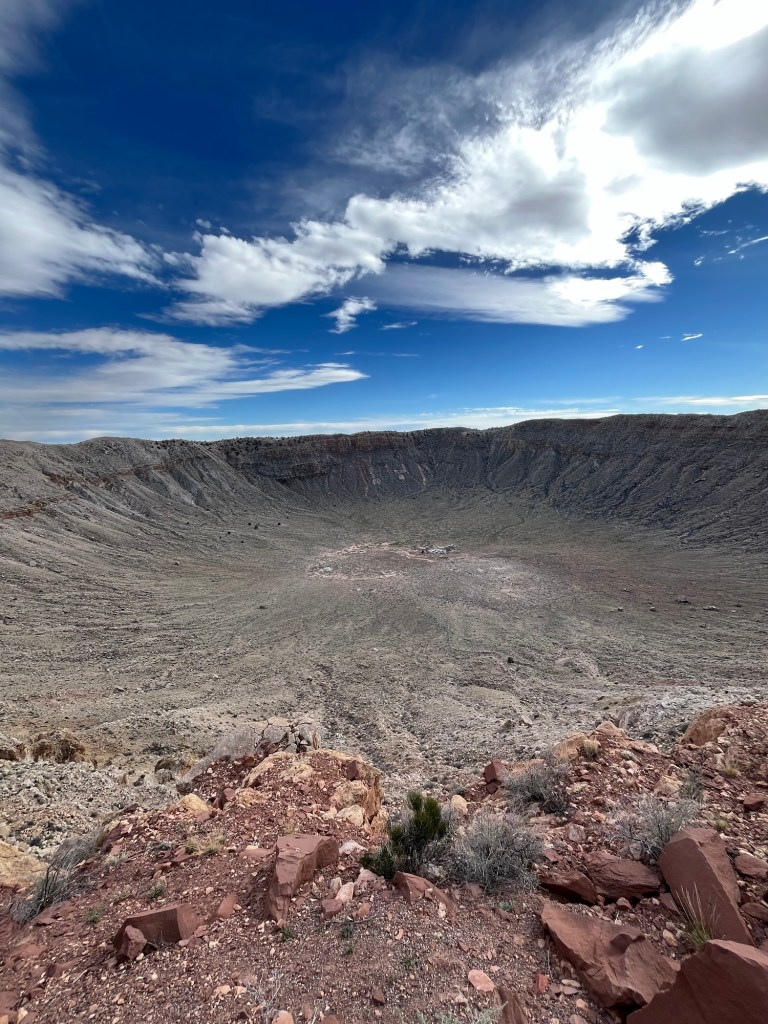
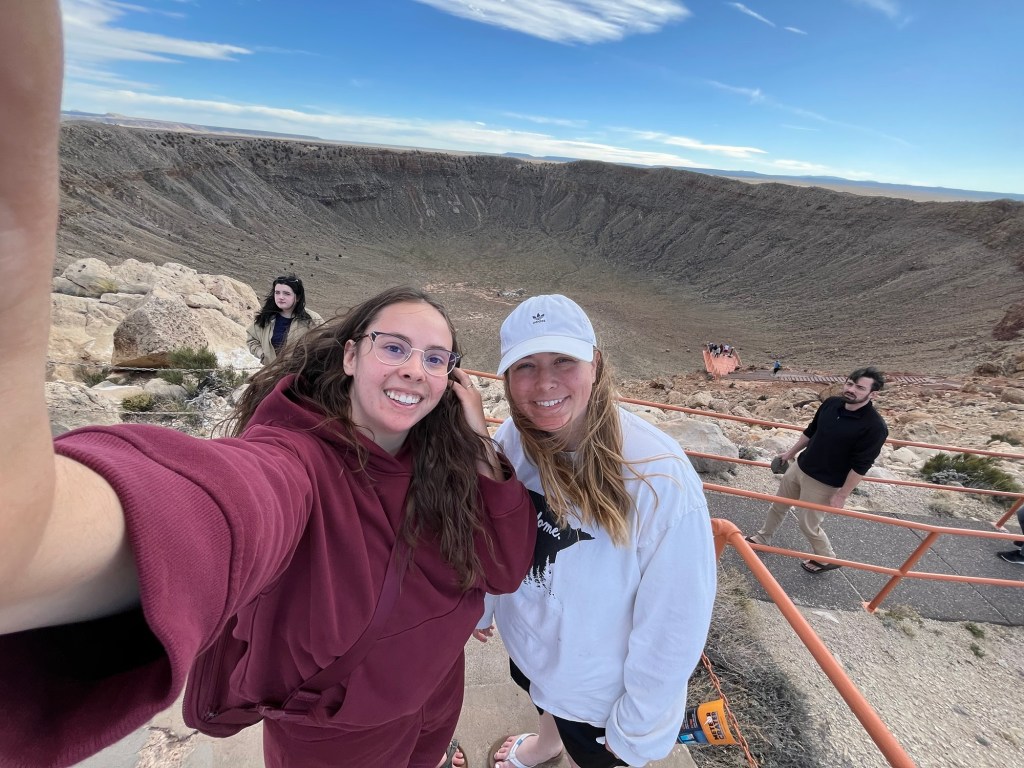
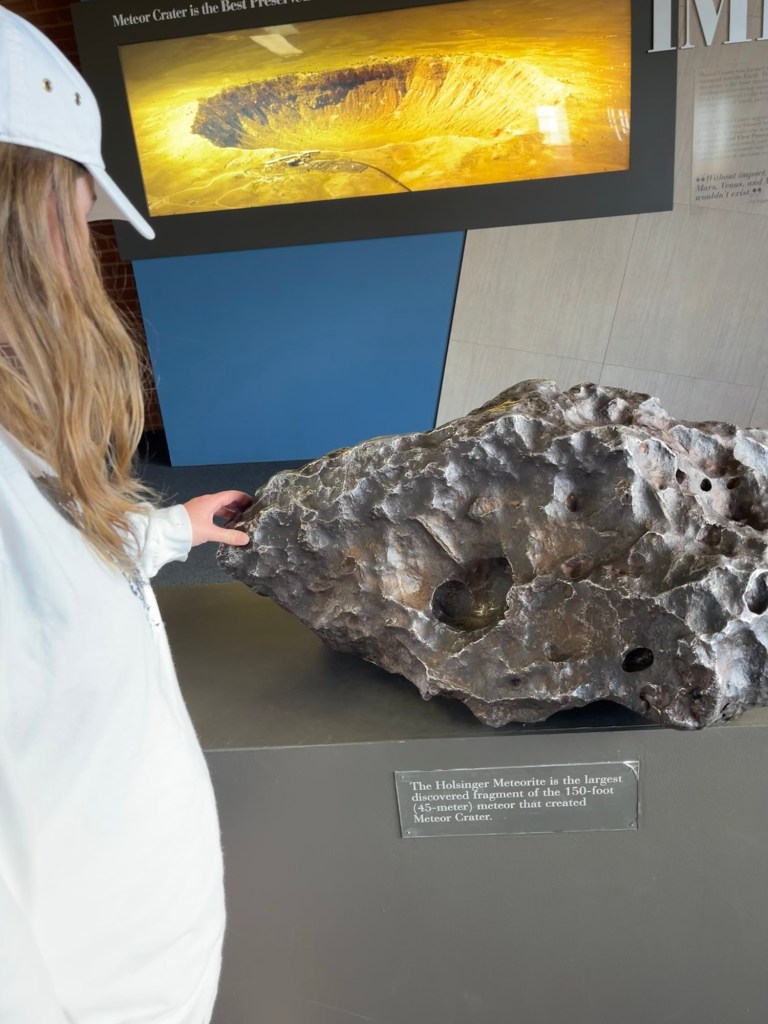
On our way to New Mexico we made two stops before leaving Arizona. The first was Meteor Crater National Monument, a site where a 150 foot wide meteor struck approximately 50,000 years ago. Due to volcanic features in nearby parts of Arizona it wasn’t recognized as a meteor site until the early 1900’s, shortly after Daniel Barringer began mining the site in attempts to find the meteor and in turn a very large mass of iron. The meteor core was never found as it vaporized on impact leaving only small fragments. The crater itself is an impressive 3/4 mile wide and around 550 feet deep, and was used by NASA in the 60’s to train the Apollo Astronauts for the moon surface. Super neat spot with a great museum to walk through!
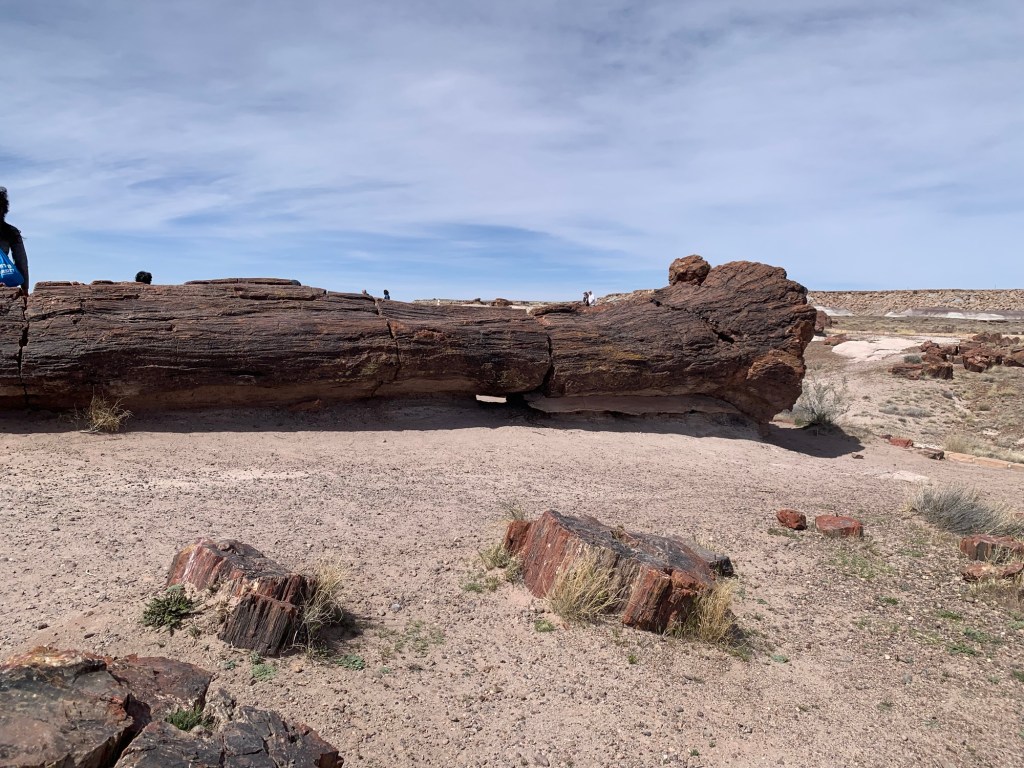
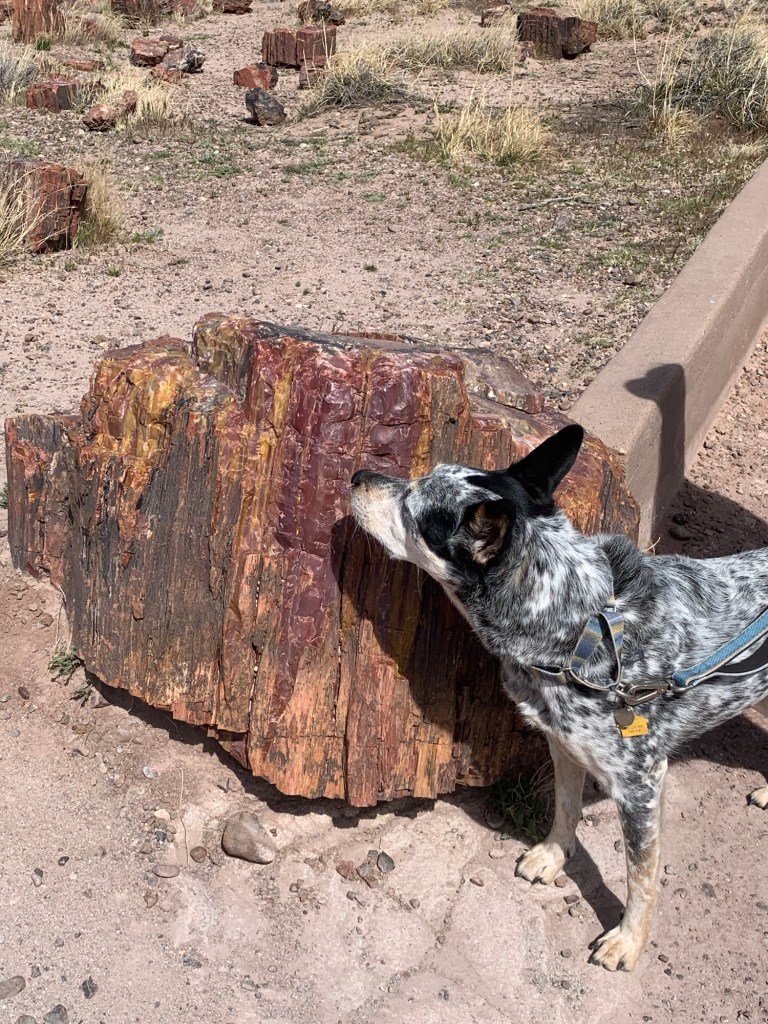
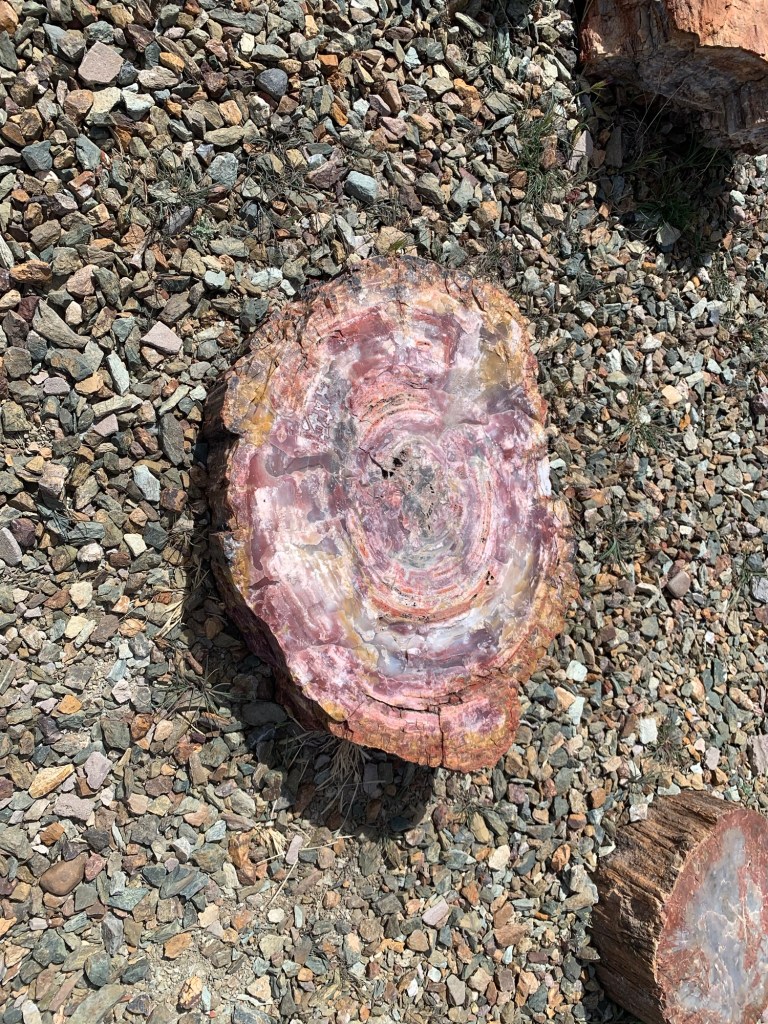
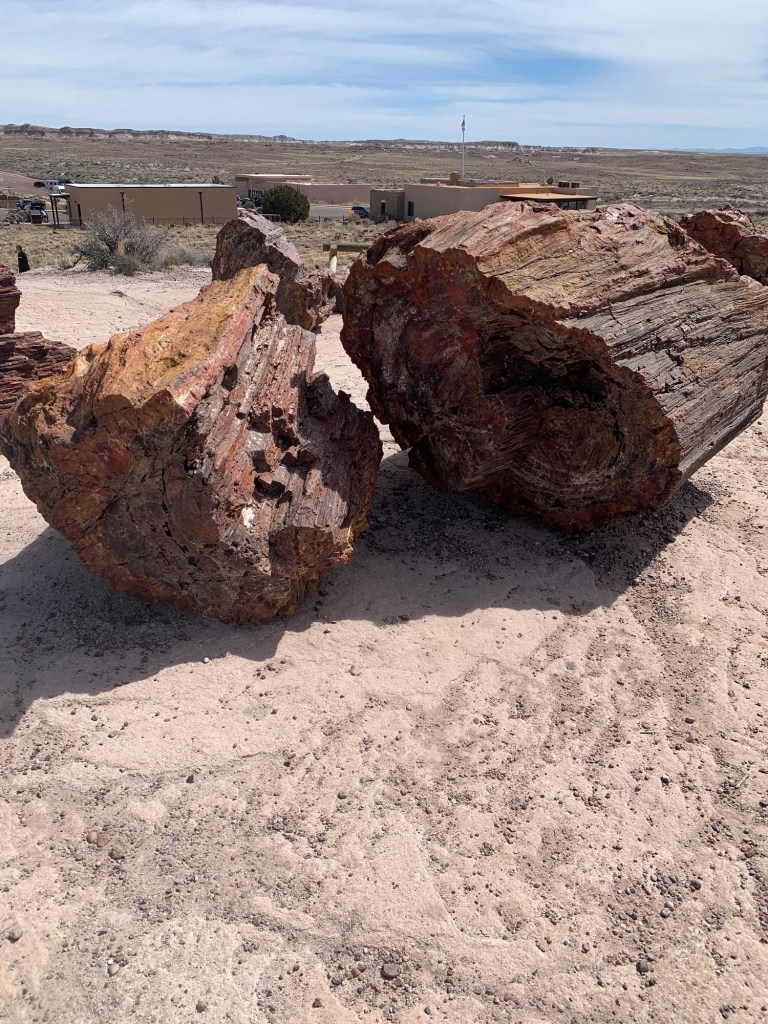
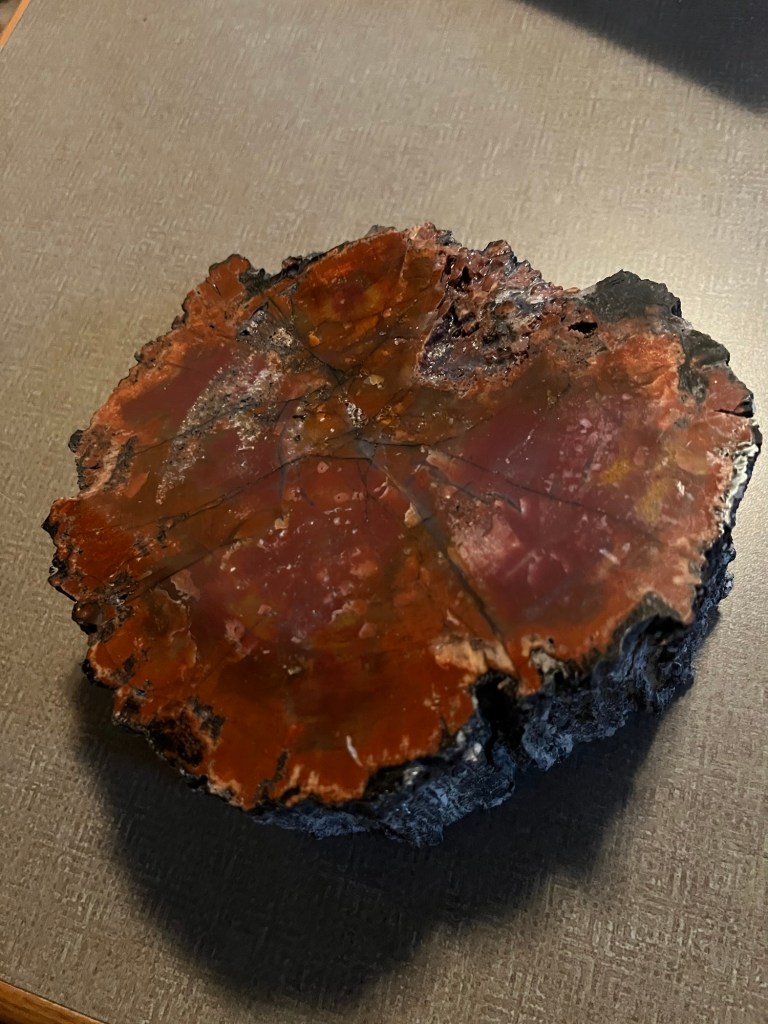
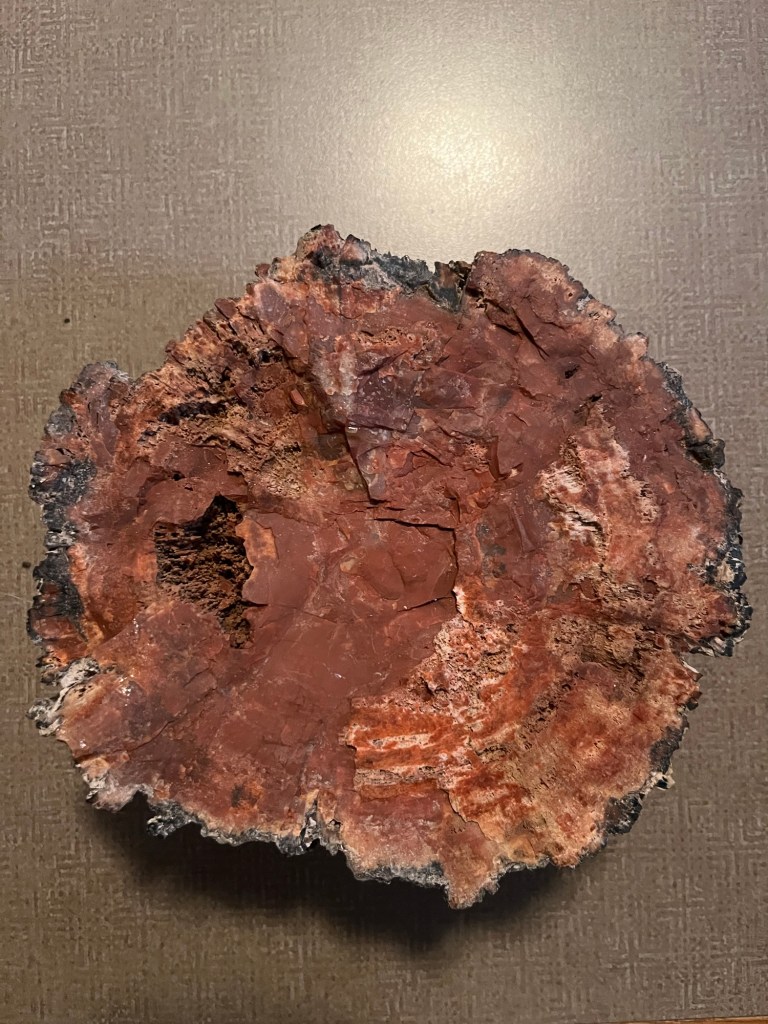
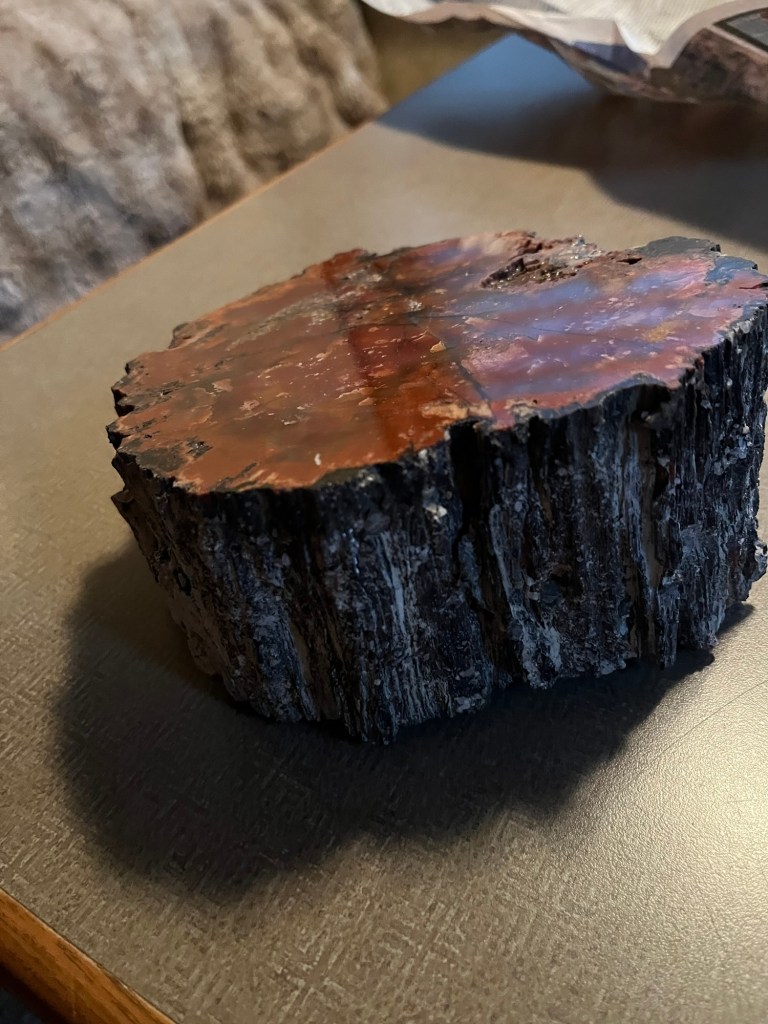
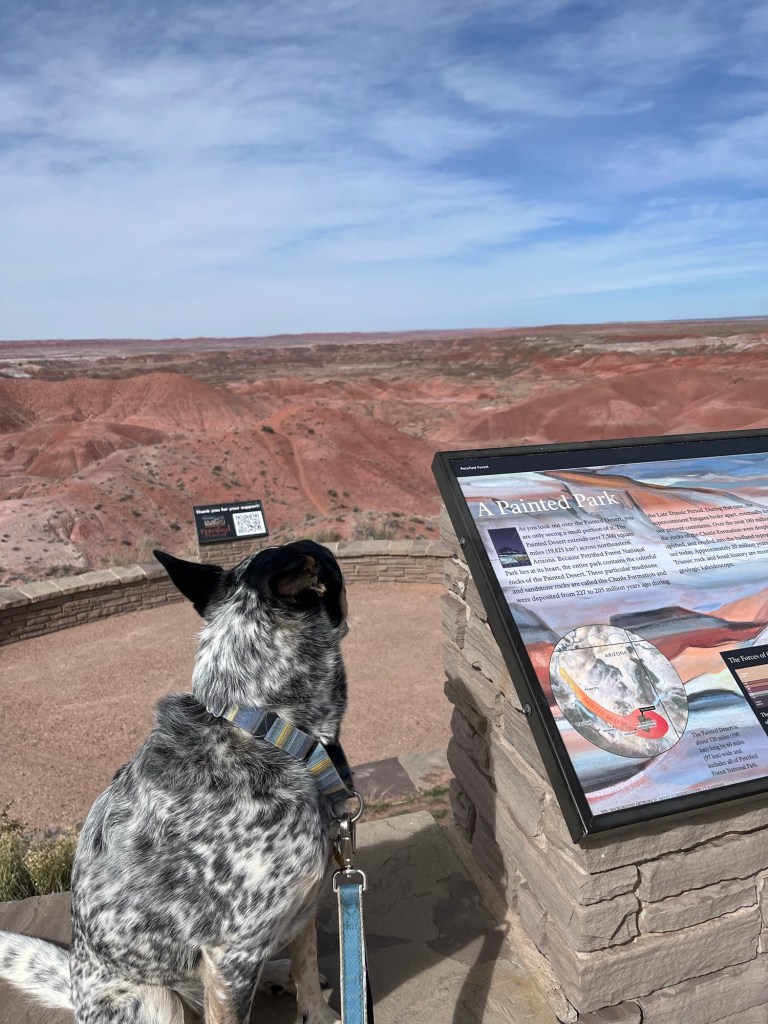
Our second stop was the one I was most excited for, the National Petrified forest! So prepare yourself for a bit of a nerd out (even more so than above). The park nearly the size of Rhode Island sits on what was a river flood plane and large coniferous forest 200 million years ago. When trees fell near the flood plane during that time they were washed into the river and rapidly covered with sediment the most important for the petrifaction being volcanic ash. Volcanic ash is incredibly rich in silica and the lack of oxygen due to heavy sediment slowed normal decomposition of the trees and instead the silica cell by cell turned the wood into solid quartz. The petrified wood remained deeply buried for the next 130 million years until the Colorado Plateau began to rise due to tectonic plates shifting. This forced the area upwards around 6,000 feet over the course of millions of years and erosion began stripping layers away eventually revealing the 200 million year old forest remnants. The now quartz wood has incredible coloration from different elements combining with the silica, deep reds, pink, and yellow from iron, black from carbon, purple and black from manganese, and white in areas of pure silica. What I find incredibly cool is the preservation of tree rings, bark, and the cellular structure that can be seen! I’ll stop there as far as the wood goes and apologize in advance for failing to take more pictures.
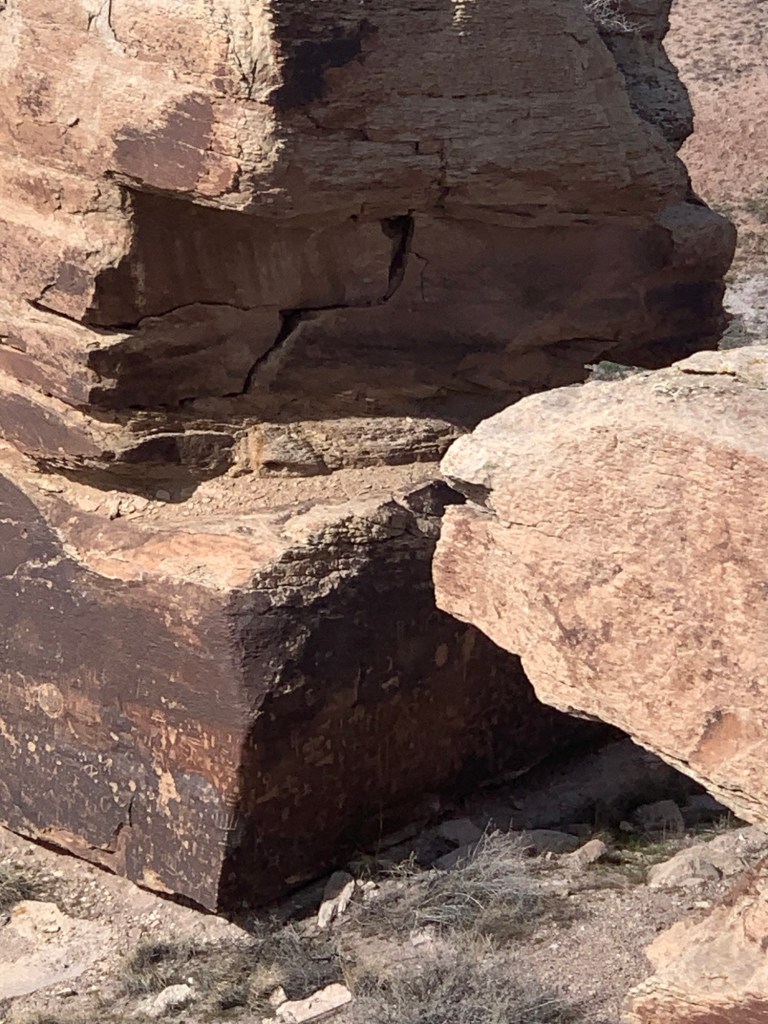
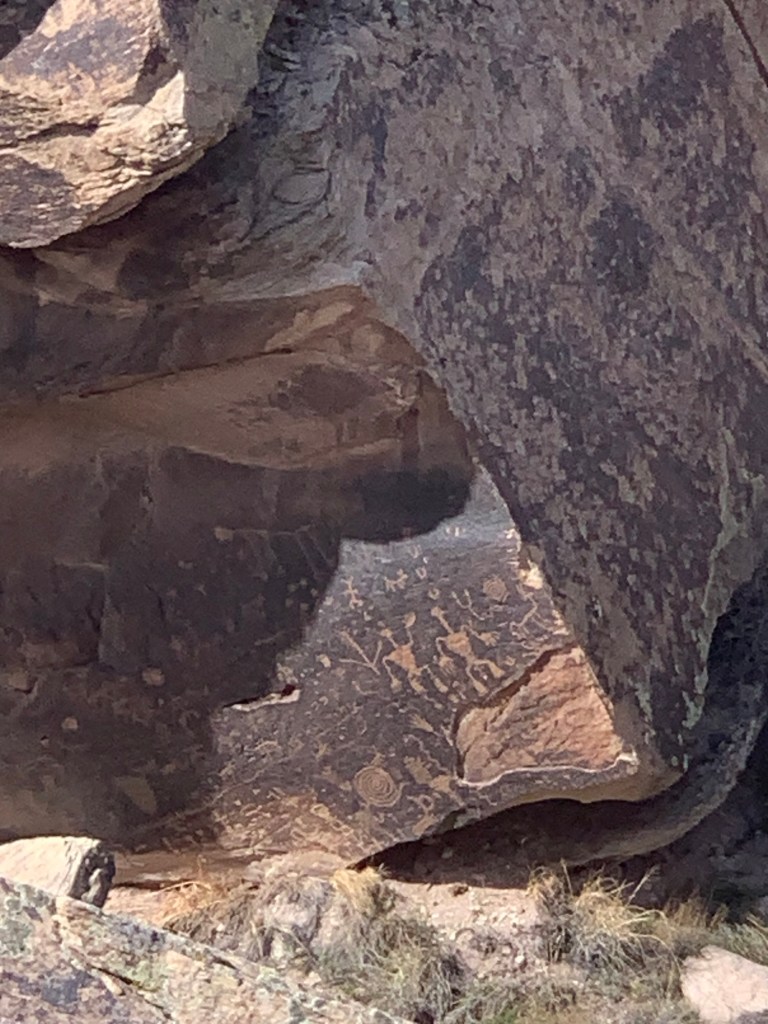
The park is also the home to petroglyphs and ruins from Puerco Pueblo. The village that was occupied around 1250-1380 once had around 100 rooms, used as homes, ceremonial buildings, and food storage. They were built from sandstone and petrified wood and held together with mud mortar. Newspaper rock was one of our stops while in the park. Hundreds of petroglyphs are craved into to the rock depicting humans, animals, and various geometric shapes. I know significantly less about this portion of the parks history but it was very cool to see and learn little snippets about.

 Road to Nova Scotia
Leave a comment